Hardie Siding Installation in Petaluma, CA
February 28, 2026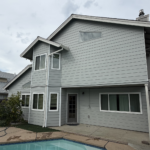
Vinyl Siding Installation in Rio Linda, CA
March 2, 2026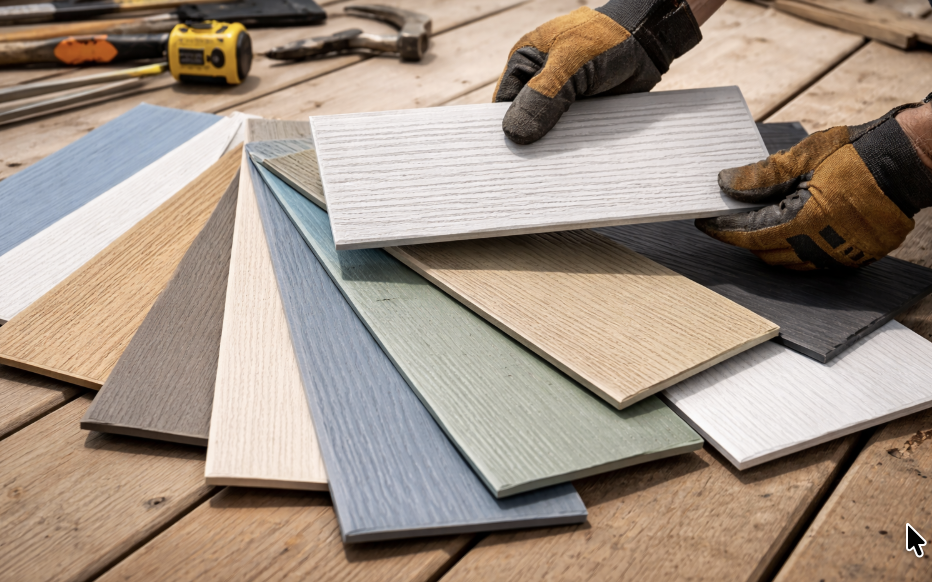
Your home’s siding is more than just an exterior finish — it is your property’s first line of defense against moisture, sun exposure, temperature fluctuations, and structural wear. In Northern California, where coastal fog, seasonal rain, and hot summers all play a role, selecting the right siding material is essential for long-term durability and performance.
Below are the most reliable siding options homeowners commonly choose, along with their benefits and ideal applications.
Fiber Cement Siding (Hardie Board)
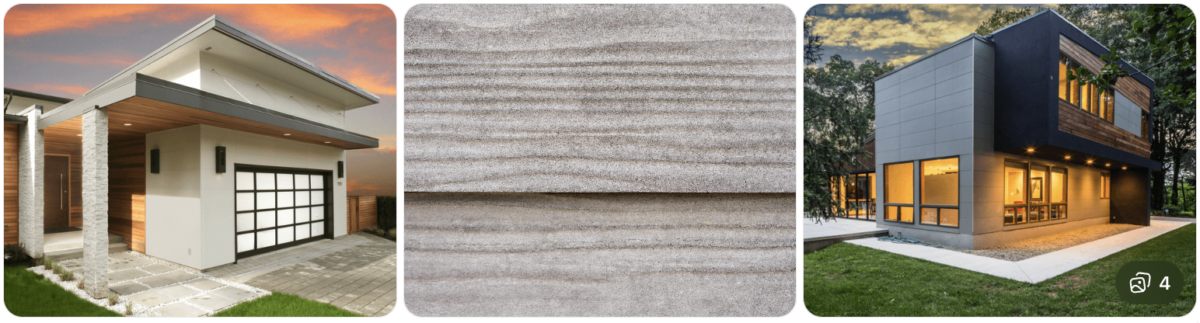
Fiber cement siding, commonly known as Hardie board, is one of the most durable and climate-resistant options available. Manufactured from cement, sand, and cellulose fibers, this material is engineered to resist moisture, fire, pests, and warping.
In areas like Sacramento and the Bay Area, fiber cement performs exceptionally well because it withstands heat without cracking and resists moisture damage in coastal environments. It also offers a wide range of textures, including smooth finishes and wood-grain patterns, allowing homeowners to maintain a classic or modern appearance.
Another major advantage is its fire resistance — a critical feature in many parts of California. Proper installation with weather barriers and flashing ensures decades of protection with minimal maintenance.
Traditional Wood Siding
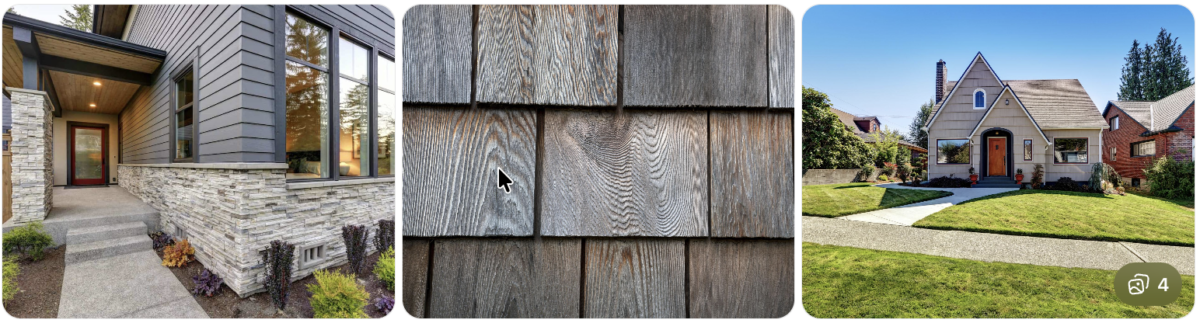
Wood siding provides a timeless, natural appearance that many homeowners appreciate, especially in traditional or craftsman-style homes. Cedar and redwood are commonly used because of their natural resistance to insects and decay.
While wood offers beautiful aesthetics and strong insulation properties, it requires consistent maintenance. Painting or staining is necessary to protect it from moisture and sun exposure. Without proper sealing, wood can be vulnerable to rot, swelling, and pest damage.
For homeowners willing to invest in upkeep, wood siding delivers unmatched character and warmth. However, in high-moisture environments, careful installation and regular inspections are essential to prevent long-term structural issues.
Vinyl Siding
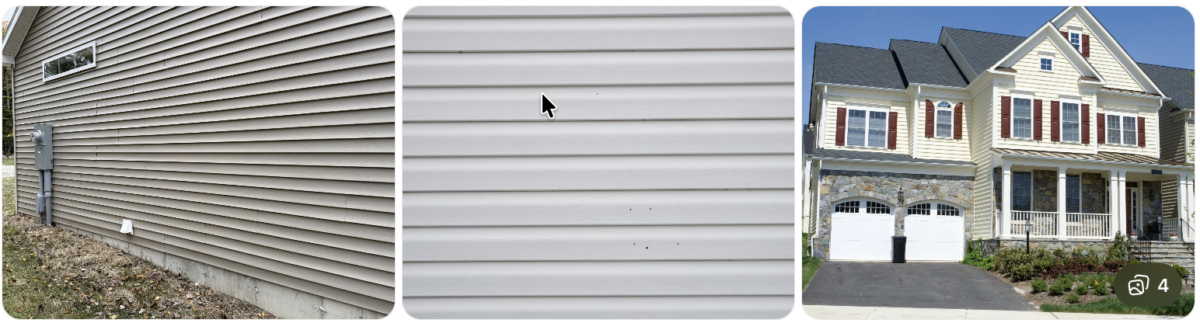
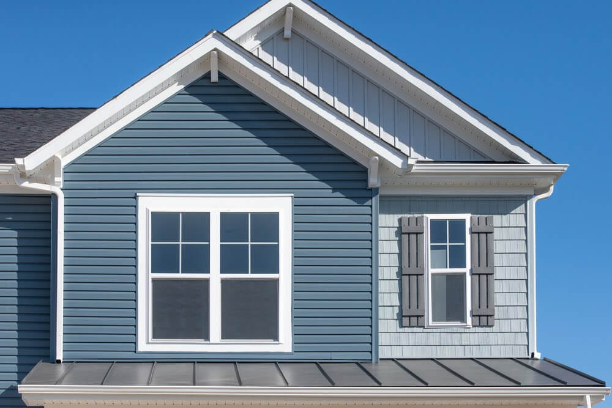
Vinyl siding is known for affordability and low maintenance. It does not require painting and resists moisture, making it a practical option for many homeowners.
Modern vinyl products have improved significantly in durability and design variety. They are available in multiple colors and styles, including options that mimic wood grain. However, vinyl can become brittle over time with extreme temperature changes and may not offer the same fire resistance as fiber cement.
For budget-conscious projects, vinyl siding provides a cost-effective exterior refresh while maintaining acceptable durability when installed properly.
Engineered Wood Siding
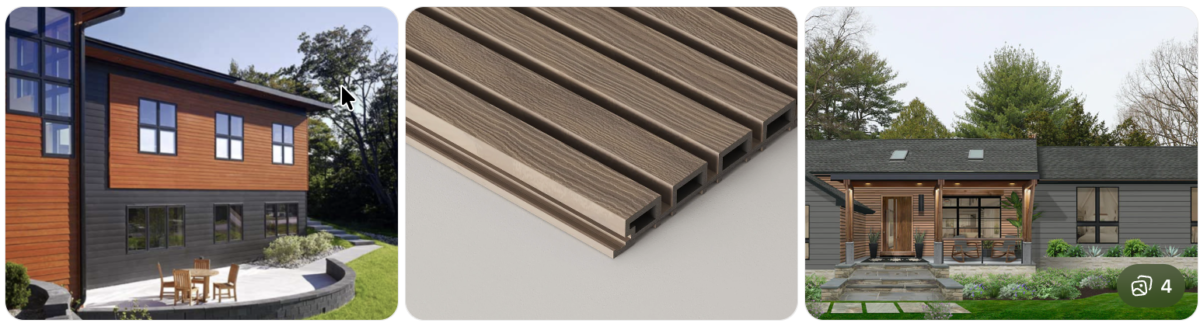
Engineered wood siding combines the look of real wood with improved resistance to moisture and impact. It is manufactured using treated wood fibers and resins, creating a strong, lightweight alternative to solid wood.
This option offers better stability than traditional wood and typically requires less maintenance. It can be painted and customized easily, giving homeowners design flexibility while reducing long-term upkeep concerns.
When properly installed with moisture barriers and correct spacing, engineered wood performs well in both dry and moderately humid climates.
Key Factors When Choosing Siding
Selecting the right siding material depends on several important factors:
- Local climate conditions
- Fire resistance requirements
- Maintenance expectations
- Budget considerations
- Desired architectural style
- Long-term durability
In Northern California, moisture management and UV resistance are especially important. Proper installation techniques — including weather-resistant barriers, flashing, correct fastening methods, and ventilation — are just as important as the material itself.
Even the highest-quality siding can fail if installed incorrectly. Structural preparation, dry rot repair, and proper sealing all play a major role in long-term performance.
Professional Installation Matters
A successful siding project starts with a detailed inspection of the existing exterior. Old materials are carefully removed, sheathing is evaluated, and any hidden damage is repaired. Moisture barriers and flashing systems are installed to protect vulnerable areas around windows, doors, and rooflines.
Accurate measurement, leveling, spacing, and fastening ensure that siding panels perform as designed. Finishing work — including trim detailing and sealing — completes the installation and enhances the home’s appearance.
Investing in quality materials is important, but professional craftsmanship ultimately determines durability. When properly selected and installed, siding can protect your home for decades while improving energy efficiency and curb appeal.
If you are considering siding replacement or installation, evaluating material options carefully and working with experienced professionals will help ensure your home remains protected, efficient, and visually appealing for years to come.