When Weather Turns Against Your Home: Why Acting Fast Can Save Thousands
February 21, 2026
Siding installation in Elk Grove
February 24, 2026
Choosing the right contractor in California is one of the most important decisions you’ll make for your home. Whether you’re planning a siding replacement, remodeling project, or weather damage repair, the contractor you hire will directly impact quality, safety, timeline, and overall cost.
California has strict building codes, licensing requirements, and environmental standards. Hiring the wrong contractor can lead to delays, failed inspections, insurance problems, and expensive rework. Here’s how to make the right choice.
1. Verify Proper Licensing
In California, contractors must be licensed through the California Contractors State License Board (CSLB).
Before signing anything:
- Ask for the contractor’s license number
- Verify it on the CSLB website
- Confirm it is active and in good standing
- Check for complaints or disciplinary actions
A valid license ensures the contractor meets state requirements for experience, testing, and legal compliance. Never hire someone who suggests working “without permits” or offers a lower price to skip licensing requirements.
2. Confirm Insurance Coverage
A reputable contractor should carry:
- General liability insurance
- Workers’ compensation insurance
Without proper insurance, you could be financially responsible for injuries or property damage during the project.
Always request proof of insurance. A professional contractor will provide documentation without hesitation.
3. Look for Local Experience
California’s climate varies dramatically—from coastal moisture to Sacramento heat to wildfire-prone zones. Local experience matters.
A good contractor understands:
- Regional weather challenges
- Fire-resistant material requirements
- Local building codes
- Permit processes in your city
Contractors who regularly work in your area are more likely to anticipate potential issues and prevent costly mistakes.
4. Ask About Permits and Inspections
In California, many exterior and structural projects require permits.
A trustworthy contractor will:
- Pull proper permits
- Schedule required inspections
- Ensure the work passes city or county approval
If a contractor tells you permits aren’t necessary for major work, that’s a red flag.
Proper permitting protects your property value and ensures your project meets safety standards.
5. Review Detailed Written Estimates
A professional estimate should clearly outline:
- Scope of work
- Materials to be used
- Project timeline
- Payment schedule
- Warranty details
Avoid vague quotes with limited information. Clear documentation prevents misunderstandings and protects both parties.
Be cautious of extremely low bids. If one quote is significantly cheaper than others, it may indicate:
- Lower-quality materials
- Inexperienced labor
- Missing scope items
- Lack of insurance
Price matters—but value and quality matter more.
6. Check References and Reviews
Look beyond online star ratings. Ask for:
- Recent customer references
- Photos of completed projects
- Before-and-after examples
Speaking directly with past clients gives insight into:
- Communication quality
- Cleanliness of job site
- Adherence to timelines
- Problem resolution
Consistent positive feedback is a strong indicator of professionalism.
7. Evaluate Communication and Transparency
A good contractor communicates clearly and promptly.
Pay attention to:
- How quickly they return calls
- Whether they answer questions thoroughly
- How clearly they explain processes
- Whether they provide realistic timelines
Poor communication early in the process often leads to frustration later.
You should feel confident and informed—not pressured or confused.
8. Understand Warranty and Material Options
In California, material performance is critical due to sun exposure, rain, and fire risk.
Ask contractors:
- What brands and materials they recommend
- Why those materials are suitable for your area
- What warranties are included (labor and manufacturer)
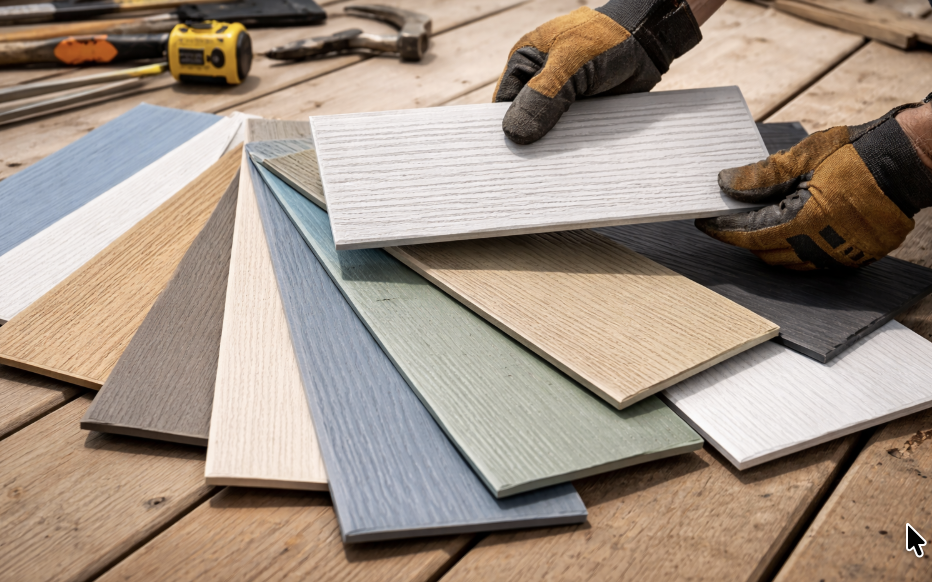
For example, when upgrading siding, fire-resistant and weather-resistant materials are often recommended in many parts of the state.
A knowledgeable contractor will explain the pros and cons rather than pushing one generic solution.
9. Avoid Large Upfront Payments
California law limits how much contractors can request upfront. Be cautious of anyone asking for large cash payments before work begins.
Standard practice includes:
- Small deposit
- Progress payments tied to milestones
- Final payment after completion and inspection
Never pay the full amount before work is finished.
10. Trust Professionalism and Reputation
A reliable contractor will:
- Provide a written contract
- Maintain a clean and organized job site
- Respect your property
- Follow safety protocols
- Stand behind their work
Professional presentation often reflects professional standards.
Why Choosing the Right Contractor Matters
Your home is likely your largest investment. Poor workmanship can lead to:
- Failed inspections
- Structural damage
- Insurance complications
- Reduced property value
- Ongoing repair costs
Choosing a qualified contractor protects your investment and gives you peace of mind.
Work with Trusted Professionals
When evaluating contractors, prioritize experience, transparency, and proven results. The team at Akerman Construction understands California’s building requirements, climate conditions, and safety standards.
From siding replacement to exterior repairs and remodeling, working with experienced professionals ensures your project is completed correctly, efficiently, and in compliance with local codes.
Final Thoughts
Choosing a contractor in California requires careful research—but it’s worth the effort.
Verify licensing. Confirm insurance. Review written estimates. Check references. Pay attention to communication.
Taking the time to choose wisely helps ensure your project is completed safely, legally, and to the highest standard—protecting your home for years to come.