Benefits of Replacing Your Siding on Time
February 21, 2026
How to Choose a Good Contractor in California: A Homeowner’s Practical Guide
February 21, 2026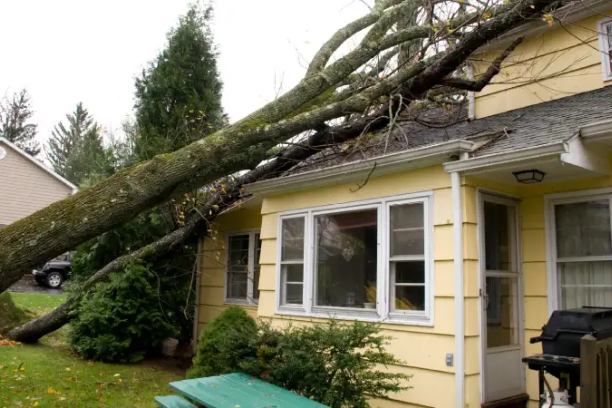
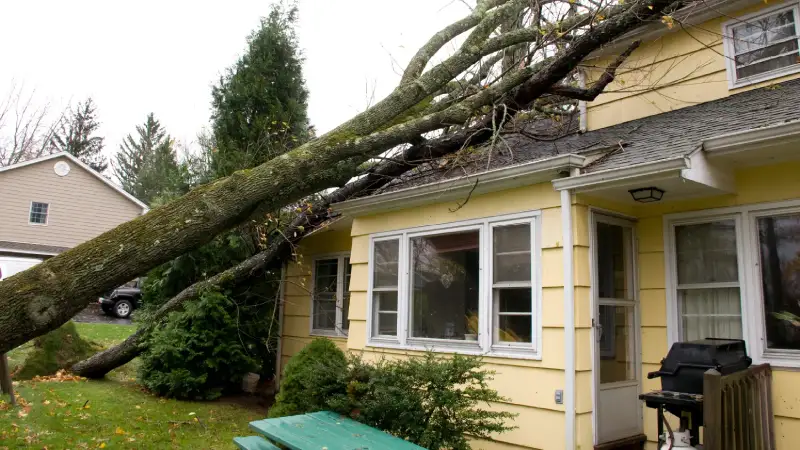
California offers beautiful weather most of the year—but when storms, heat waves, and wind events hit, the damage can be serious. Many homeowners underestimate how quickly weather-related issues can escalate from minor cosmetic concerns to major structural problems.
Weather damage is not something to ignore or postpone. Acting quickly and calling experienced professionals can protect your investment, your safety, and your long-term finances.
California Weather Is More Extreme Than It Looks
From the Bay Area to Sacramento and surrounding regions, homes face multiple climate challenges throughout the year:
- Intense UV exposure during long summers
- Heavy seasonal rains and atmospheric rivers
- Strong winds and occasional storm systems
- Rapid temperature fluctuations
- Periodic wildfire threats
Even if your home looks solid from the outside, weather stress accumulates over time. Roofing materials weaken. Siding expands and contracts. Seals dry out. Flashing loosens. Small cracks form where water can enter.
The problem isn’t just the storm itself—it’s what happens afterward.
The Hidden Dangers of Delayed Repairs
Many homeowners wait, thinking:
- “It’s just a small leak.”
- “That crack has been there for years.”
- “We’ll fix it later.”
Unfortunately, weather damage rarely stays small.
Water intrusion can lead to:
- Mold growth inside walls
- Rotting wood framing
- Damaged insulation
- Electrical hazards
- Interior drywall deterioration
Wind damage can:
- Loosen shingles or siding panels
- Expose underlayment
- Compromise waterproof barriers
Extreme heat can:
- Warp siding
- Crack exterior paint
- Dry out seals and caulking
The longer repairs are delayed, the more expensive and invasive they become. What might start as a minor exterior issue can evolve into structural repair work costing thousands of dollars.
Why Immediate Inspection Matters
After a significant storm or extreme weather event, even if there are no obvious signs of damage, a professional inspection can reveal early warning signs.
Trained contractors know where to look:
- Roof valleys and flashing areas
- Window and door seals
- Siding joints and corners
- Foundation transitions
- Attic ventilation and moisture levels
Small vulnerabilities can be sealed and corrected before they cause interior damage.
Ignoring the issue, on the other hand, gives moisture and structural stress time to spread.
Insurance and Documentation
Another critical reason to act quickly is insurance coverage.
Many homeowner policies require prompt reporting of damage. If too much time passes between the weather event and the repair claim, insurance companies may argue that the damage resulted from neglect rather than the storm itself.
Working with experienced contractors ensures:
- Proper documentation of damage
- Clear repair estimates
- Professional assessment reports
- Support during insurance communication
This can make a major difference in claim approval and reimbursement.
Your Home’s Exterior Is a System
Roofing, siding, gutters, windows, and flashing all work together as a protective envelope. When one part fails, the entire system becomes vulnerable.
For example:
- A loose gutter can redirect water into siding.
- Damaged siding can allow moisture behind insulation.
- Poor roof flashing can cause ceiling leaks.
Weather doesn’t attack just one component—it tests the entire structure.
That’s why repairs should never be patchwork or temporary fixes. They must address the full scope of the problem.
California-Specific Risks
Homes in California face some unique environmental pressures:
Wildfire Risk:
Embers carried by wind can ignite vulnerable exterior materials. Damaged siding or roofing increases fire vulnerability.
Dry Heat Followed by Heavy Rain:
Materials expand in summer heat and contract in cooler seasons. Cracks form, and then winter storms exploit those openings.
High Real Estate Value:
In competitive markets, visible exterior damage lowers property value and buyer confidence.
Timely repairs protect not only the structure but also the long-term equity of your home.
Signs You Should Never Ignore
Call a professional immediately if you notice:
- Water stains on ceilings or walls
- Missing shingles
- Warped or cracked siding
- Soft spots near windows or doors
- Mold or mildew smells
- Sudden increase in energy bills
Even subtle signs can indicate deeper structural problems.
Why Professional Help Matters
Weather damage is not a DIY situation. Surface repairs often miss underlying structural issues.
Experienced contractors understand:
- Proper moisture barriers
- Structural framing inspection
- Fire-resistant materials
- California building codes
- Long-term durability solutions
They don’t just fix the visible damage—they restore the integrity of the entire exterior system.
Don’t Wait Until It’s an Emergency
The biggest mistake homeowners make is waiting until damage becomes urgent. By then, repairs are more complex, more disruptive, and more expensive.
A proactive approach means:
- Faster repair timelines
- Lower repair costs
- Reduced interior damage
- Greater peace of mind
If severe weather has affected your area—even if you’re unsure about visible damage—it’s wise to schedule an inspection.
Trust Local Experts Who Understand California Homes
Weather-related repairs require knowledge of local climate conditions and construction standards. The team at Akerman Construction understands the specific challenges California homes face.
From storm damage repair to siding replacement, structural restoration, and exterior upgrades, working with experienced professionals ensures the job is done correctly and safely.
Your home is one of your most valuable investments. When weather damage occurs, hesitation can cost far more than immediate action.
If you suspect damage—or simply want peace of mind—don’t delay. Contact trusted experts and protect your home before minor issues turn into major repairs.